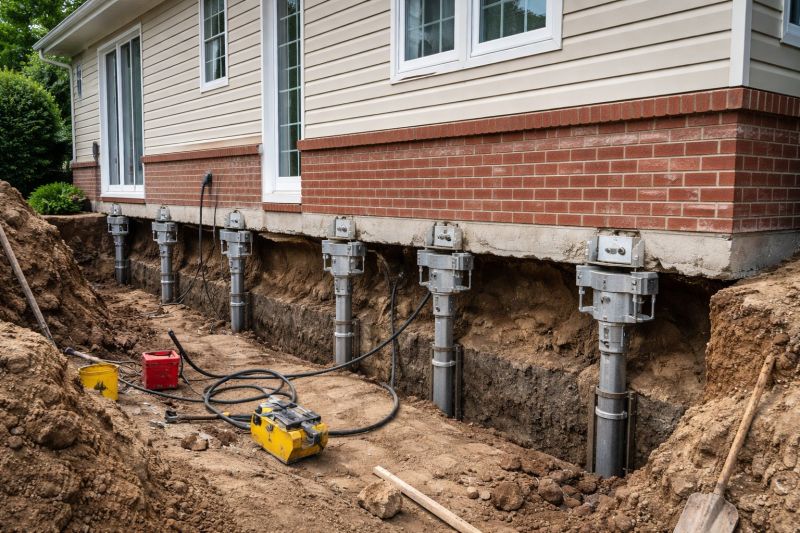
House Underpinning in Greenville, SC
House underpinning services involve strengthening and stabilizing the foundation of a property to address issues such as uneven settling, cracks, or shifting. This process typically includes adding new support elements beneath the existing foundation, such as piers or piles, to ensure the stability and safety of the structure. Projects requiring underpinning often arise when homes are built on unstable soil, experience shifting due to natural settling over time, or undergo renovations that impact the foundation’s integrity. Homeowners interested in underpinning should consider factors like the current condition of the foundation, the type of soil on the property, and any signs of structural movement before requesting this service.
Property owners usually seek underpinning services to prevent further foundation damage, improve safety, and protect property value. It’s important to understand the scope of work involved, the types of underpinning methods suitable for specific foundation types, and any potential impacts on the property during the process. Clarifying these points can help ensure the project addresses the underlying issues effectively and aligns with long-term stability goals. Consulting with a foundation specialist can provide valuable insights into the best solutions for maintaining a secure and durable home.
Many property owners in Greenville, SC look into House Underpinning for repairs, replacements, upgrades, and appearance-related improvements.
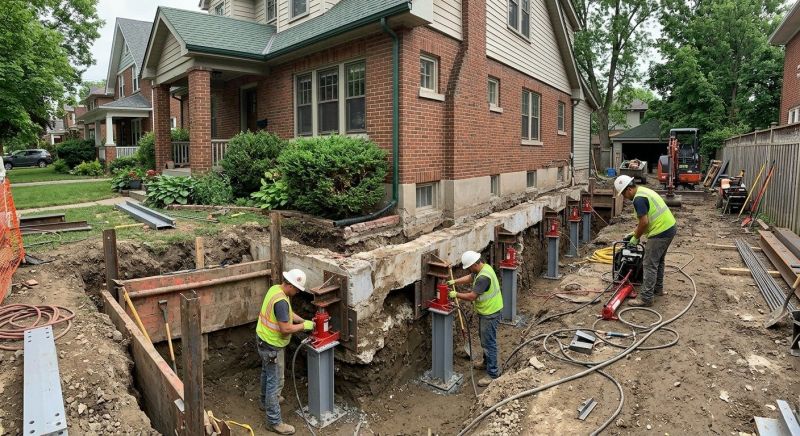
Understanding House Underpinning
This service stabilizes and strengthens foundations affected by settling or shifting in greenville homes.
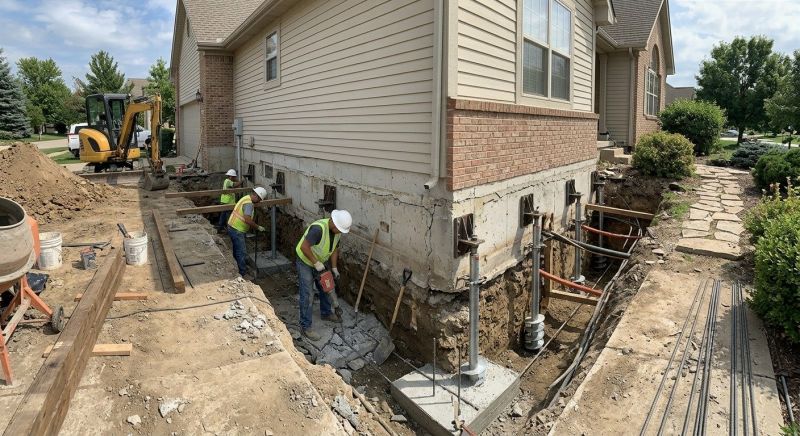
Common Underpinning Solutions
Methods include underpinning piers, helical piles, and mudjacking to address various foundation issues.
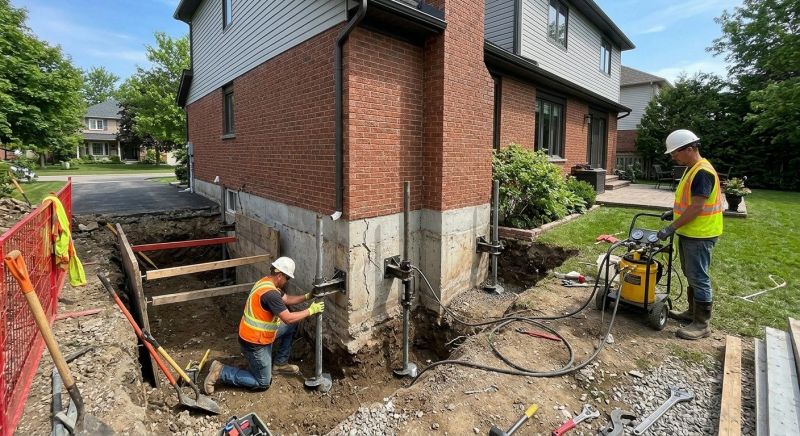
Signs You Need Underpinning
Visible cracks, uneven floors, and doors that won't close properly are indicators of foundation problems requiring underpinning.
House Underpinning in Greenville, SC
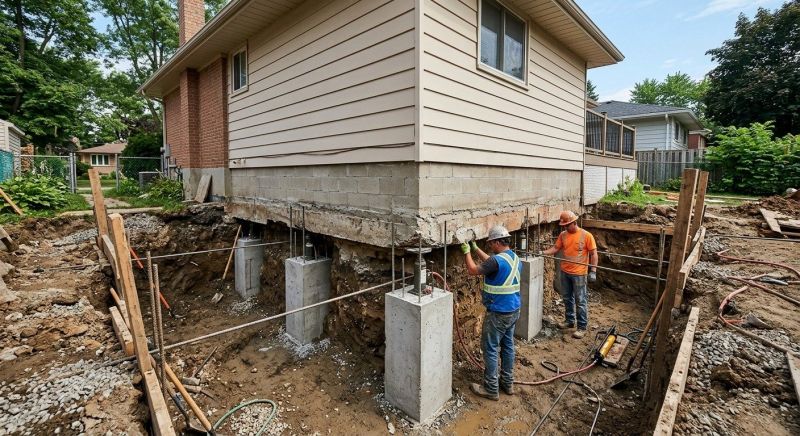
House underpinning services involve strengthening and stabilizing the foundation of a property to address issues such as uneven settling, cracks, or shifting. This process typically includes adding new support elements beneath the existing foundation, such as piers or piles, to ensure the stability and safety of the structure. Projects requiring underpinning often arise when homes are built on unstable soil, experience shifting due to natural settling over time, or undergo renovations that impact the foundation’s integrity. Homeowners interested in underpinning should consider factors like the current condition of the foundation, the type of soil on the property, and any signs of structural movement before requesting this service.
Property owners usually seek underpinning services to prevent further foundation damage, improve safety, and protect property value. It’s important to understand the scope of work involved, the types of underpinning methods suitable for specific foundation types, and any potential impacts on the property during the process. Clarifying these points can help ensure the project addresses the underlying issues effectively and aligns with long-term stability goals. Consulting with a foundation specialist can provide valuable insights into the best solutions for maintaining a secure and durable home.
Many property owners in Greenville, SC look into House Underpinning for repairs, replacements, upgrades, and appearance-related improvements.
Common House Underpinning Jobs
House Underpinning - stabilizes and strengthens the foundation to prevent settling or shifting.
Foundation Repair - addresses cracks, uneven floors, and other issues caused by foundation movement.
Structural Reinforcement - enhances the load-bearing capacity of the existing foundation.
Settlement Correction - lifts and levels the property to restore proper alignment.
Pier and Beam Underpinning - supports homes with pier and beam foundations to improve stability.
Concrete Underpinning - reinforces concrete slabs to prevent cracking and structural damage.
House Underpinning Questions
What is house underpinning? House underpinning involves strengthening or stabilizing a building’s foundation to prevent settling or shifting issues.
When is underpinning necessary? Underpinning may be needed if there are signs of foundation movement, cracks in walls, or uneven floors in a property.
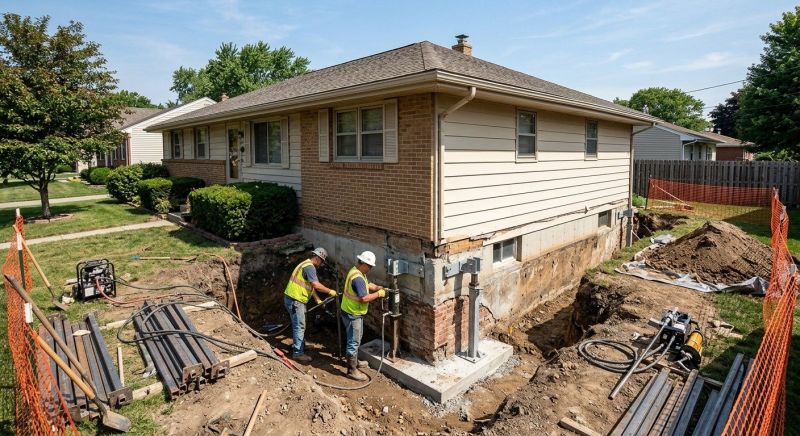
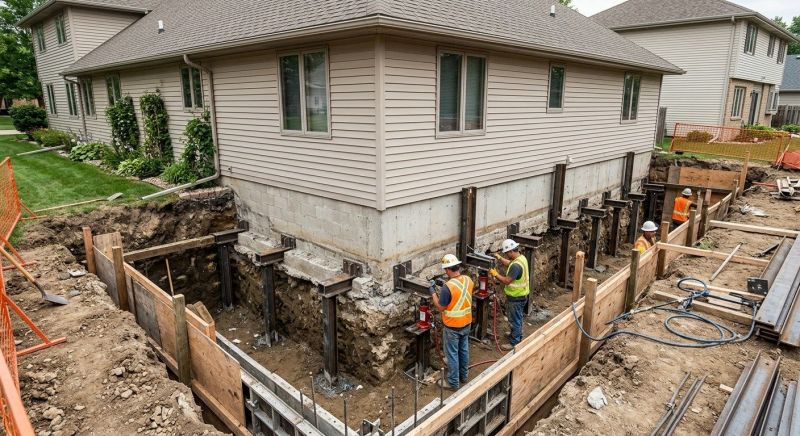
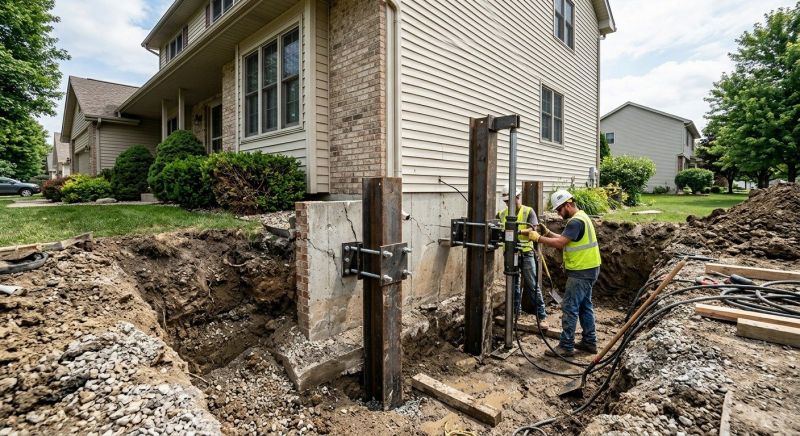
What methods are used for underpinning? Common methods include installing new support piers, underpinning with concrete, or using steel supports to reinforce the foundation.
How does underpinning benefit a property? Underpinning helps maintain structural integrity, prevents further damage, and can extend the lifespan of a building.
Request House Underpinning in Greenville, SC
Use the quote form on this page to share the basics of your project and request more information for the type of work you need.