
Leading Products For Foundation Levelings You Can Trust
Explore top-rated foundation leveling products designed to deliver smooth, even surfaces with ease and precision.
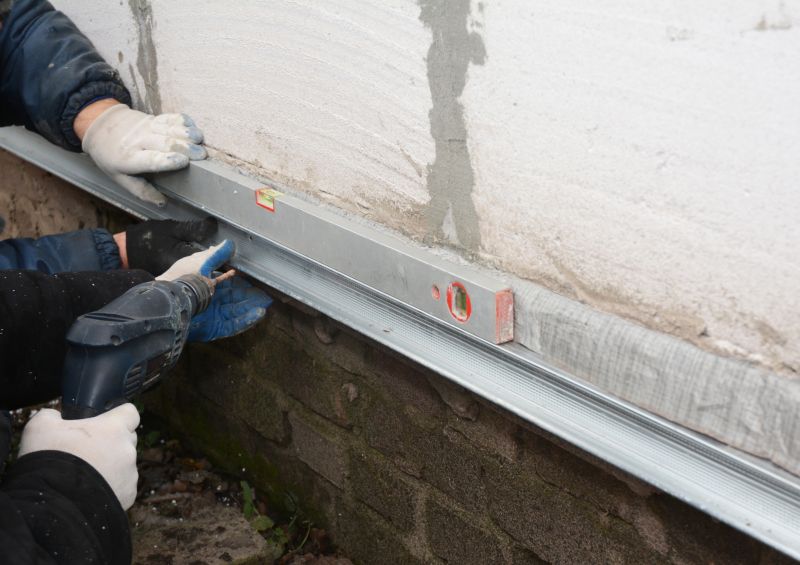 Foundation leveling tools are essential for achieving a smooth, even surface on various flooring projects. Whether working on concrete slabs, wooden subfloors, or other surfaces, the right product can help ensure a uniform base for final flooring installation. These products come in various forms, including self-leveling compounds, underlayment patches, and liquid fillers, each suited to specific applications and surface types. Proper application of these materials can improve the longevity and appearance of the finished floor, making them a valuable addition to both professional and DIY toolkit.
Top Overall Option
Self-Leveling Compound
A versatile self-leveling compound offers ease of application, quick setting times, and reliable adhesion, making it suitable for a wide range of flooring projects. It helps create a flat, smooth surface on uneven substrates, ensuring a stable foundation for subsequent flooring layers. Properly applied, it can accommodate minor surface imperfections and provide a durable base. This type of product is favored for its user-friendly nature and consistent results across different surface types.
Types of Products For Foundation Levelings
Self-Leveling Concrete
A ready-mixed, pourable product designed to create a smooth, level surface on concrete slabs and floors.
Floor Patch and Repair Compound
Suitable for filling in cracks, holes, and low spots on existing surfaces before leveling.
Liquid Leveling Underlayment
A liquid-based product that spreads easily to fill uneven areas and prepare surfaces for final flooring.
Cementitious Underlayment
A cement-based mix used for leveling and smoothing subfloors, often applied with a trowel.
Polymer-Modified Floor Leveler
Enhanced with polymers for increased flexibility and adhesion, suitable for various substrates.
Rapid-Set Leveling Compound
Designed for quick turnaround projects, this compound sets rapidly for fast completion.
High-Strength Floor Patch
Offers increased durability for areas subject to heavy traffic or load.
Water-Resistant Leveling Mix
Ideal for areas exposed to moisture, such as basements or bathrooms.
Epoxy Floor Leveler
A two-part epoxy formulation providing excellent adhesion and chemical resistance.
Flexible Underlayment
Designed to accommodate slight movements and prevent cracking in the finished surface.
Fast-Drying Underlayment
Provides quick drying times for projects with tight schedules.
Underlayment for Vinyl Flooring
Specifically formulated to prepare surfaces for vinyl flooring installation.
Underlayment for Laminate Flooring
Helps smooth out minor imperfections and provides cushioning for laminate floors.
Heavy-Duty Floor Leveler
Suitable for commercial or industrial spaces requiring robust leveling solutions.
Popular Choices
Widely used for creating flat surfaces on various substrates, appreciated for its ease of use.
Commonly selected for patching and smoothing damaged or uneven surfaces before final flooring.
Popular for its smooth application and ability to fill minor surface irregularities.
A preferred choice for leveling concrete and wooden subfloors in both residential and commercial projects.
Favored for its enhanced adhesion and flexibility, suitable for diverse environments.
Chosen for projects requiring fast curing times, minimizing downtime.
Ideal for moisture-prone areas, ensuring long-lasting results.
Selected for its chemical resistance and strong adhesion properties.
Popular for spaces where slight movement or expansion might occur.
Often used in time-sensitive projects to accelerate progress.
Commonly selected to prepare subfloors for vinyl installation.
A popular choice to smooth out minor imperfections and add cushioning.
Preferred for commercial settings requiring durable, high-strength solutions.
The process of foundation leveling involves filling in low spots, smoothing out uneven areas, and creating a flat surface that meets the desired specifications. Some products are designed for quick setting and easy application, while others offer extended working times for more precise adjustments. Selecting the appropriate product depends on the surface condition, the extent of unevenness, and the type of flooring to be installed. Preparing the surface properly before applying leveling products is crucial for optimal results, including cleaning, removing debris, and sometimes priming.
Innovative formulations in foundation leveling products often provide excellent adhesion, minimal shrinkage, and durable finishes. Many options are suitable for both interior and exterior use, offering versatility across different project types. When used correctly, these products can significantly reduce the need for extensive subfloor repairs or replacements, saving time and costs. It's important to follow manufacturer instructions carefully regarding mixing, application, and curing times to ensure the best outcome for your project.
In addition to traditional self-leveling compounds, there are specialized variants designed for specific conditions, such as high-moisture environments or uneven subfloor surfaces. Choosing the right product involves considering the surface material, environmental conditions, and the level of precision required. With the right foundation leveling products, both professionals and DIY enthusiasts can achieve a stable, even surface that sets the stage for successful flooring installation and long-term durability.
Key Buying Considerations
- Surface compatibility: Ensure the product is suitable for the existing substrate, whether concrete, wood, or other materials.
- Application type: Decide between pourable, trowelable, or patching compounds based on project needs.
- Drying and curing times: Consider project timelines and select products with appropriate setting times.
- Environmental conditions: Choose moisture-resistant or waterproof options if working in damp areas.
- Flexibility and movement: For areas prone to expansion or contraction, select flexible or elastomeric products.
- Load-bearing requirements: Heavy-duty formulations are better for high-traffic or industrial spaces.
- Ease of use: Look for products with straightforward mixing and application instructions, especially for DIY projects.
- Adhesion properties: Good bonding to existing surfaces ensures long-lasting results.
- Shrinkage and cracking: Select formulations designed to minimize these issues for a smooth finish.
- Finish quality: Consider whether a smooth, matte, or textured surface is desired after curing.
- Environmental safety: Check for low VOC emissions and non-toxic formulations if relevant.
- Cost and value: Balance quality features with budget constraints to find the best fit.
- Compatibility with flooring: Confirm that the leveling product is suitable for the final flooring type planned.
- Availability and support: Opt for products readily available locally and with good manufacturer support.
This page contains affiliate links. We may earn a commission from qualifying purchases to support our content creation.